Download your Friendzy freebies that provide turnkey lessons for your classroom to celebrate the Lenten season.
During Lent, we pause to reflect on the cost of our salvation and the depth of God’s love for us. It’s a season that invites repentance, but always with our eyes fixed on Christ’s finished work on the cross. Lent is not just about earning forgiveness, it’s about preparing our hearts to receive the grace that has already been given.
These resources help students walk the Lenten journey toward Easter with honesty, hope, and trust in God’s promises.
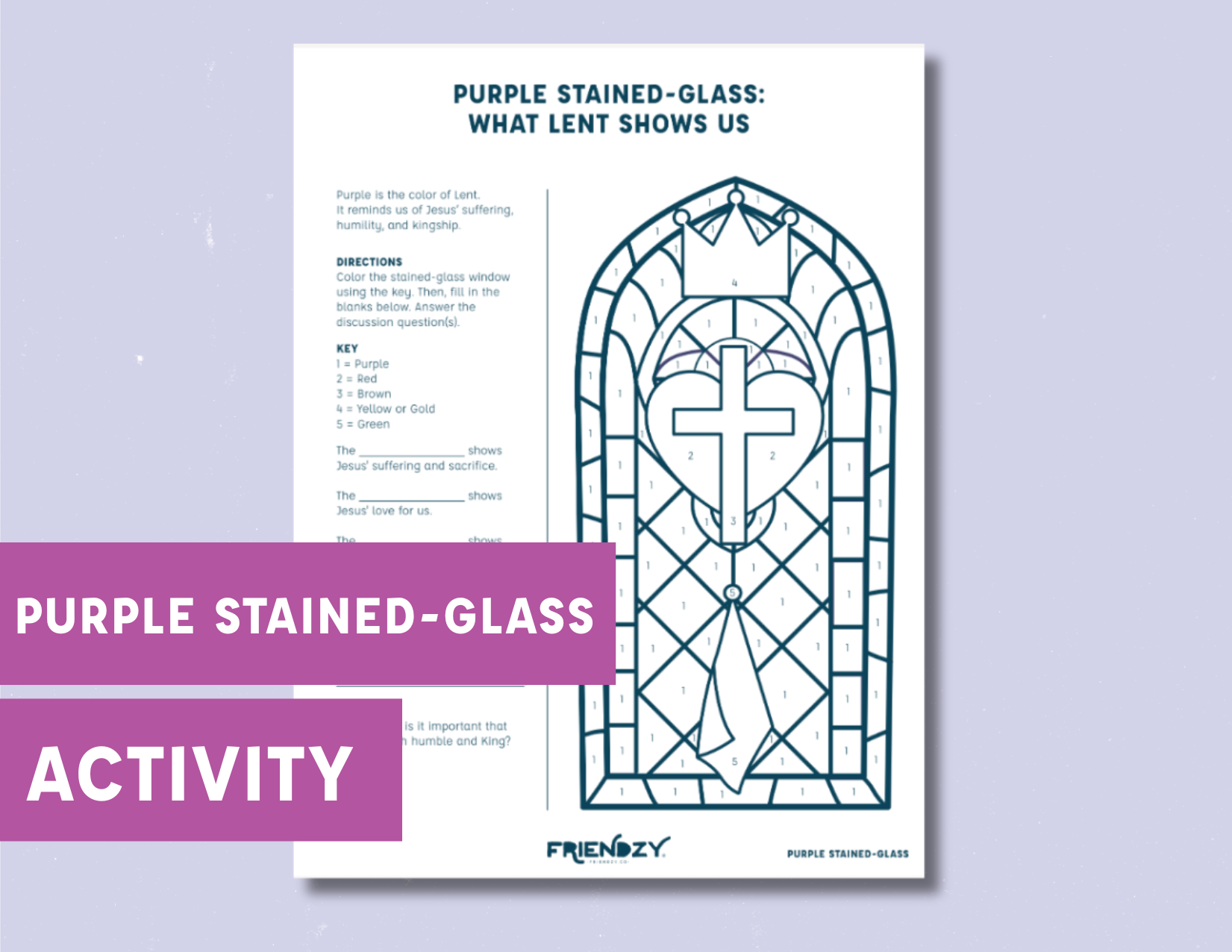
Supplies: “Purple Stained-Glass” Download, crayons, pencil
Purple is the liturgical color of Lent. It represents both the sorrow of Christ’s suffering and the hopeful anticipation of Easter. As students color, they’re reminded that Lent is a time to prepare our hearts for the forgiveness and new life Jesus freely gives us.
How It Works: Students complete a color-by-number stained-glass design to learn about the meaning of the color purple and why it matters during Lent.
Younger Students: Use the word bank or invite students to answer the questions verbally as a class discussion.
Older Students: Write full responses to the reflection questions. If more space is needed, students can use the back of the page or notebook paper.
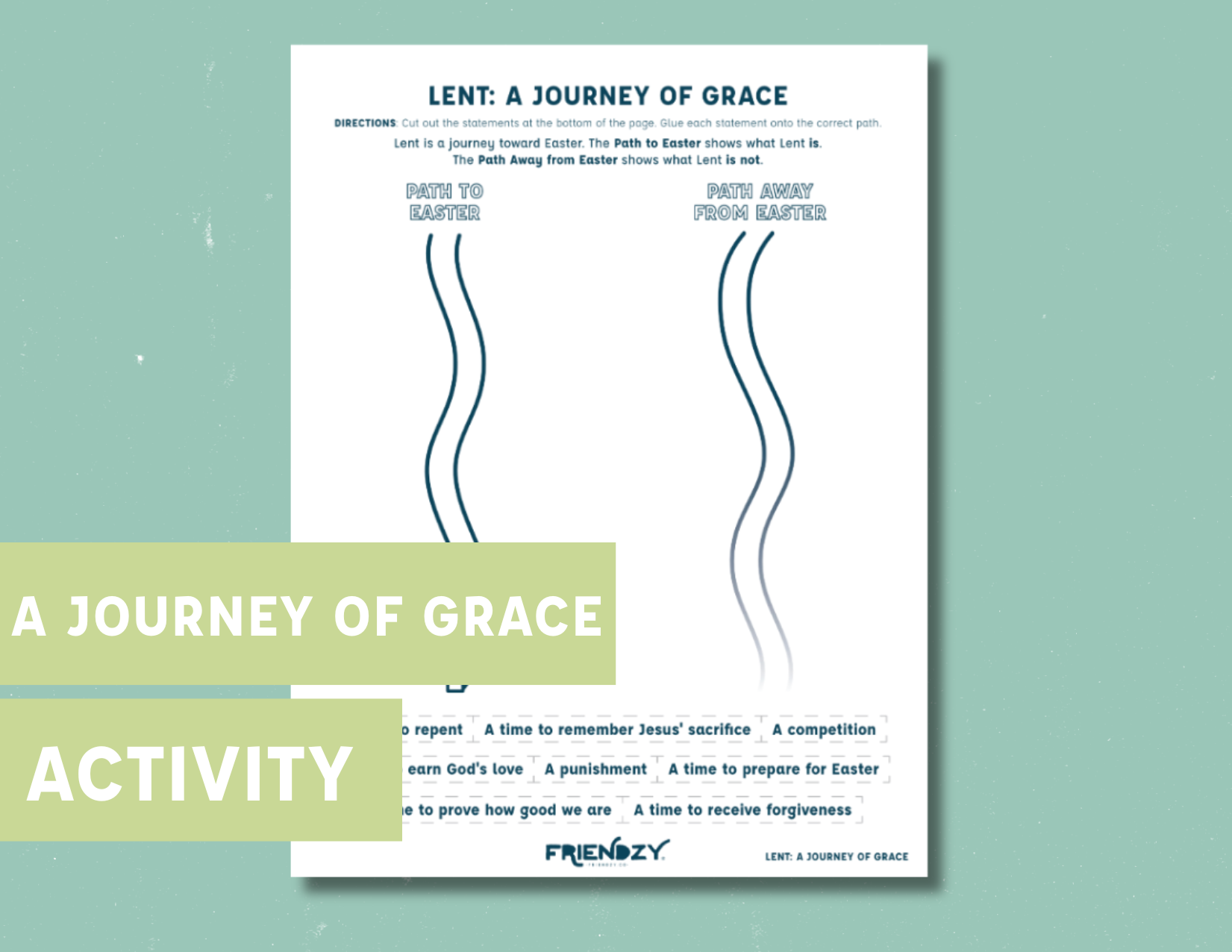
Supplies: “Lent: A Journey of Grace” Download, scissors, glue, pencils.
Lent is about what Christ has done for us, not what we do for Him. Sometimes this can be overlooked, especially when we focus too heavily on making our own sacrifices for Lent. Yes, we should prepare our hearts for Easter and for receiving God’s forgiveness, but it is important to remember that these gifts are freely given to us; we are not required to give anything up in order to receive them. Jesus already did it all for us on the cross!
How It Works: Students sort statements into two categories: Path to Easter (What Lent Is) and Path Away from Easter (What Lent Isn’t). This activity will challenge common misconceptions about Lent by helping students recognize that the season is about Christ’s gift of forgiveness, not our personal sacrifices.
Younger Students: Read each phrase aloud and complete the sort together as a whole-class activity.
Older Students: Complete the sort independently, then use the discussion prompts to deepen understanding.
(use some or all, depending on age and ability)
What does it mean to prepare for Easter? What are you preparing for?
What is the difference between trying to earn God’s love and receiving His forgiveness?
How does Lent help us walk toward Easter instead of away from it?
Why is repentance not about making God like us more, but about letting God love us more?
Teacher Note: This activity is meant to emphasize the Gospel message of Lent and avoid legalistic interpretations.
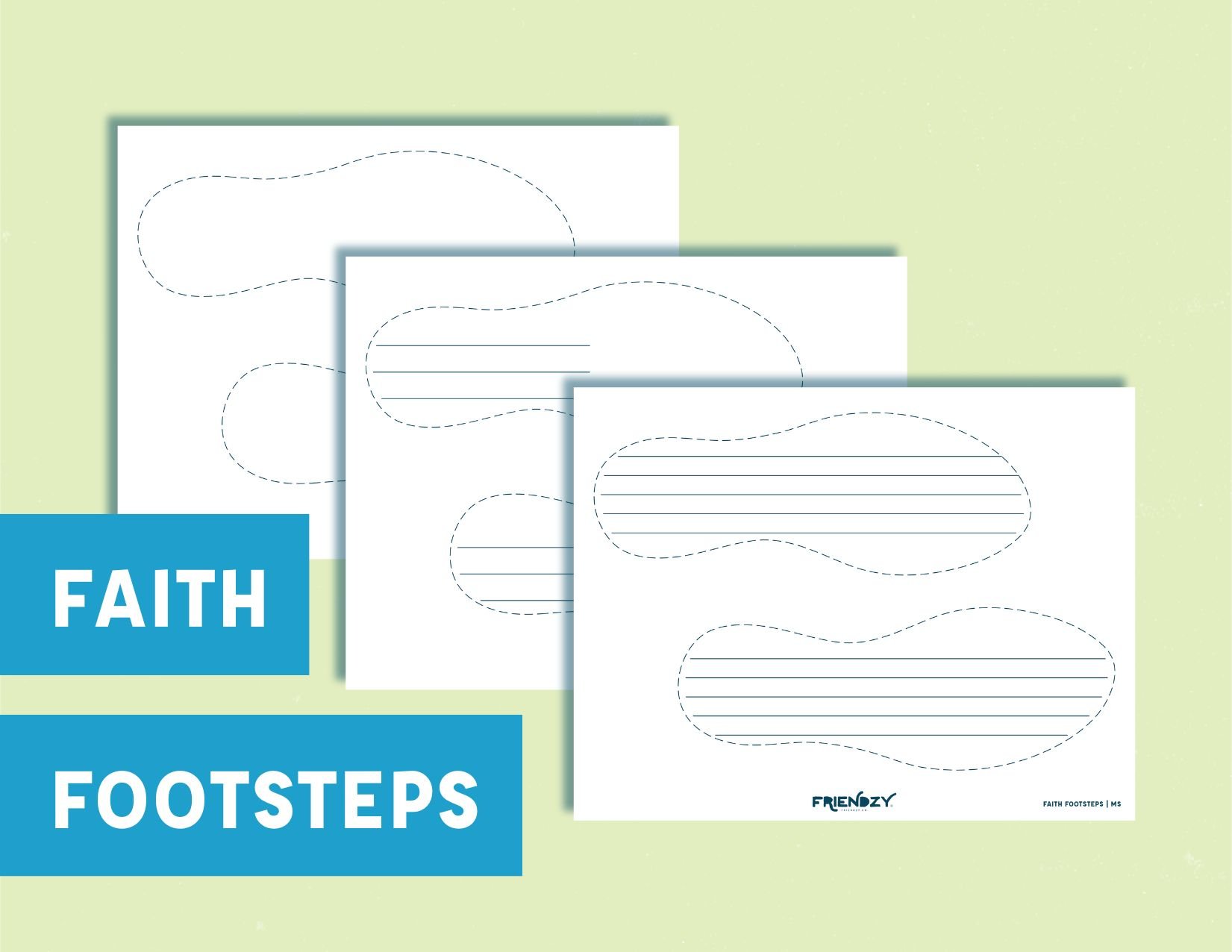
Supplies: Footprint templates (or draw footprints), pens, markers.
Gather students and invite them to reflect on how they can “walk in faith” during Lent. Discuss ways to practice faith daily while awaiting Easter Sunday. Distribute the foot templates, or have students trace their footprints. Ask them to write one step they can take to grow closer to God (examples: acts of kindness, extra prayers, fasting).
Display the footprints in the classroom to create a path that leads to a cross or Easter display. This serves as a meaningful visual reminder throughout Lent of our commitment to walk in faith and grow closer to God.
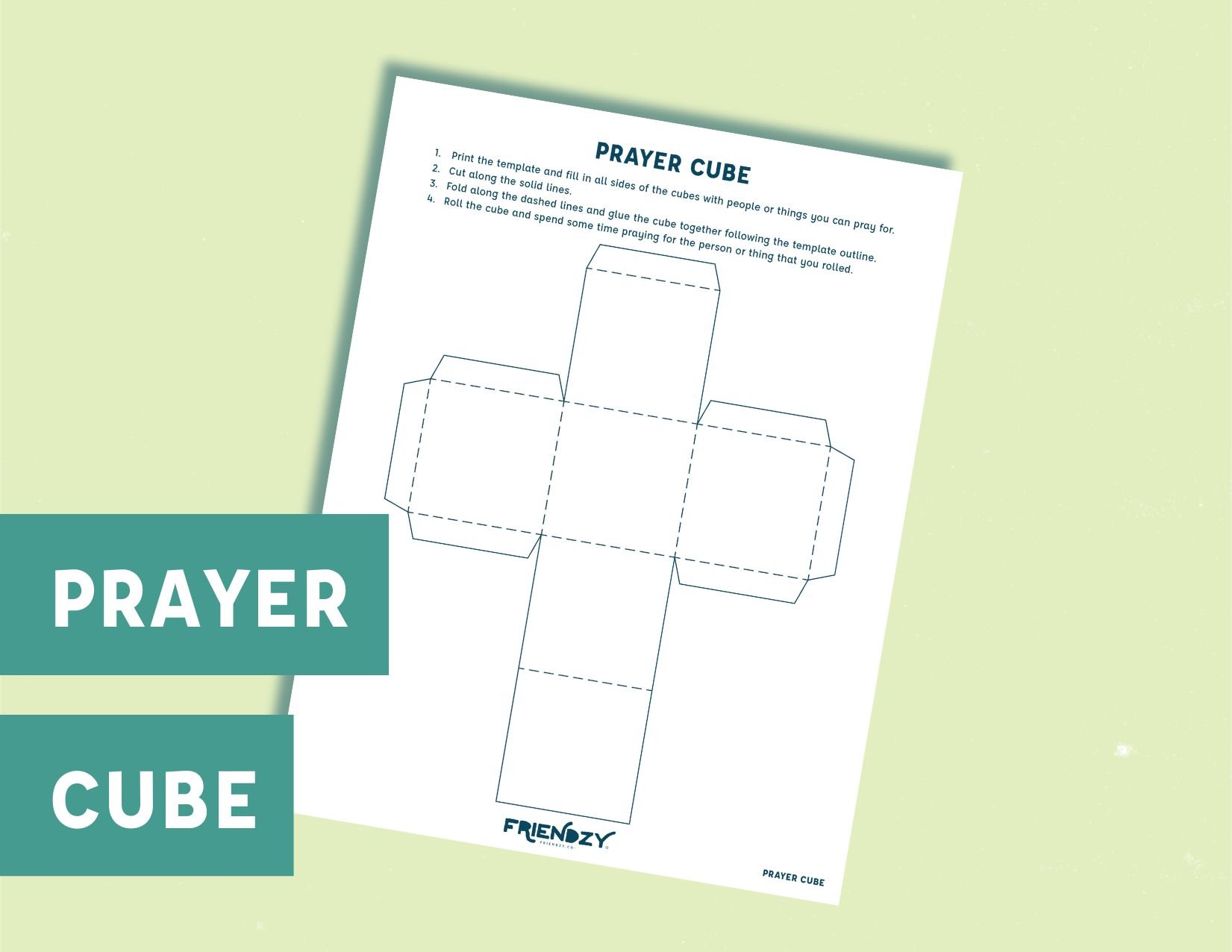
Supplies: Prayer cube template for each student, scissors, pencil
Invite students to cut out the downloadable template. Fill in all sides of the cube with people or things they can pray for during Lent. Once students have filled out all sides, they will fold and glue the cube together following the template outline. Invite them to roll the cube daily and to spend time praying for the person or the thing that they rolled on. This activity will hopefully create space for students to intentionally spend time in prayer during Lent.
For younger students, teachers may prefer to make one Prayer Cube for the whole class. Invite your students to help you fill out each side with their ideas. Each day, you can roll the cube for the class and offer up prayer intentions together.
Supplies: Writing paper, pencil/pen
Encourage middle and high school students to start a Lenten Reflection Journal as a way to deepen their faith. Use prompts like:
What is one act of kindness you can commit to today?
Where did you notice God’s presence today?
How can you deepen your relationship with God this Lent?
How can you give your time, talents, or resources to help others?
What meaningful sacrifice can you make, and what support do you need to stay committed?
After journaling, pair students as prayer partners to support and encourage each other during Lent. Partners can meet weekly to reflect on their faith journeys and discuss questions such as:
How did you grow in your faith this week?
What acts of kindness or service did you do, and how did they impact others?
How are you managing your Lenten sacrifice, and what challenges have you faced?
What are you grateful for this week?
How can I pray for or support you in your Lenten journey?
At the end of Lent, invite students to revisit their journals, reflect on their growth, and share insights with their prayer partners or the class. This activity fosters both personal reflection and meaningful connections as students grow closer to God and one another during the Lenten season.

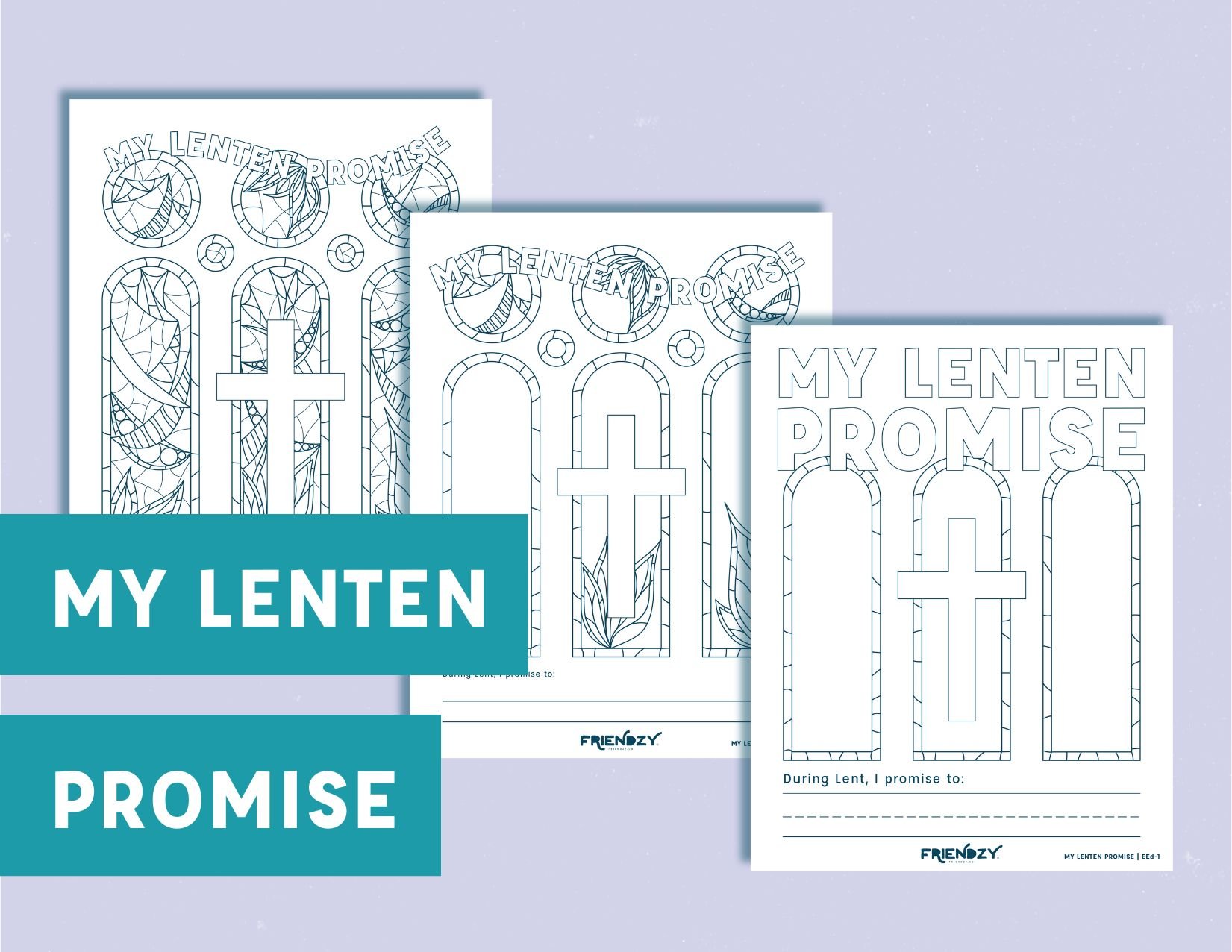
Supplies: “My Lenten Promise” download, pencil, crayons
Lent is a time of personal and spiritual growth. During Lent, we often make a Lenten Promise. What is something we can do or maybe something we can give up that will strengthen our relationship with God and as a result, with ourselves?
Invite students to color the worksheet and to complete the sentence stem at the bottom:
For older students, invite them throughout the Lenten season to reflect back on their Lenten promise through discussion or journaling. Below are some guided prompts you may consider:
What are ways you can uphold your Lenten promise? What are some steps you can take to keep it?
If you are struggling with upholding your Lenten promise, what can you do? What are some ways you can remain committed?
Name two people you would like to share your Lenten promise with. How could they support you?
After Lent → Reflect back over the past 40 days. How did your Lenten promise deepen your faith?
Utilize these reflection prompts to host small group or classroom discussions to help students remember the lessons Christ calls us to learn during the Lenten season.