Discover a collection of classroom-ready tools and activities designed to help educators build resilience in students by strengthening emotional awareness, perspective-shifting skills, and supportive relationships through the 4 Rs of Resilience framework.

Hello friends! Julie here.
Let's be real: life throws challenges at our students and at us too. Resilience isn't something we just talk about, it's something we practice, model, and celebrate every day. And here's the cool part: when we show students how to bounce back, they start to believe they can bounce back too.
To kick things off, check out this penguin video. We may not waddle like penguins, but watching them slip, slide, and get right back up reminds us of an important truth: we all fall sometimes, and that’s okay. What matters is how we bounce back.
That’s what the 4 Rs of Resilience are all about: recognize hardships, remain hopeful, reframe your view, and build strong relationships. These aren’t just ideas; they’re habits we can put into action every single day in real classrooms and with real students.
On this page, you’ll find fun, hands-on tools and activities to help your students (and yourself) bounce back! Think of it like a resilience toolkit for your classroom. So grab your metaphorical bouncy balls, and let’s get started!
– Julie Widman, Ed.D | Friendzy Co-Founder
To help educators bring tools for resilience to the classroom, Friendzy has developed evidence-based resources that reinforce the skills students need to navigate challenges and bounce back well!
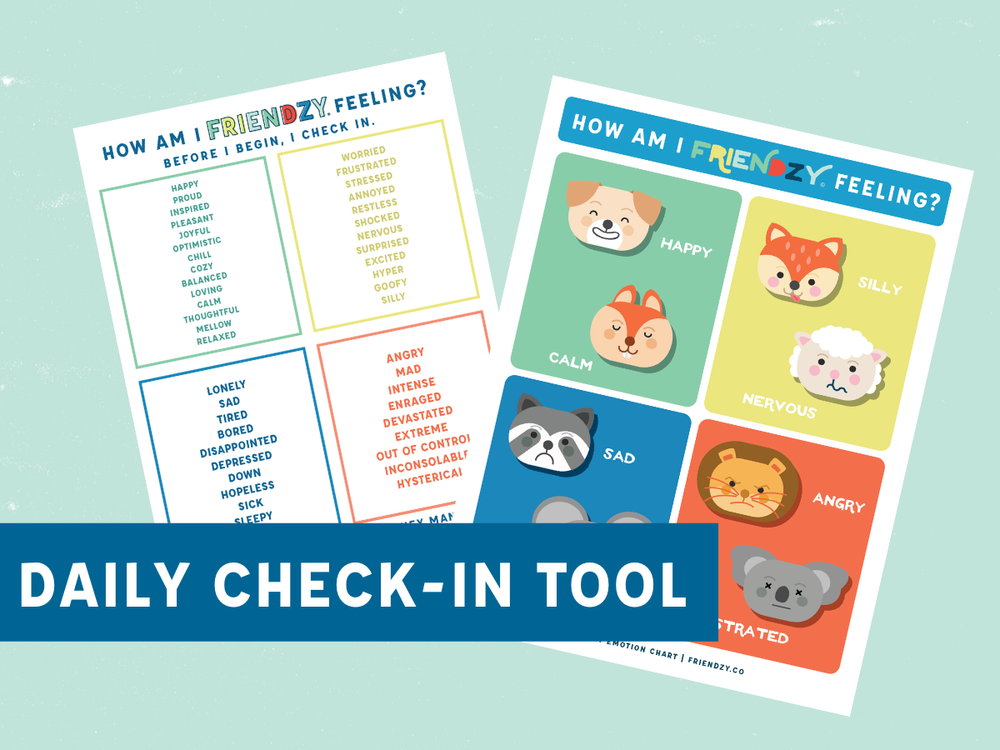
The Daily Check-In Tool creates a small, steady moment for students to notice how they’re feeling. It helps kids begin to name their emotions and recognize when something feels hard.
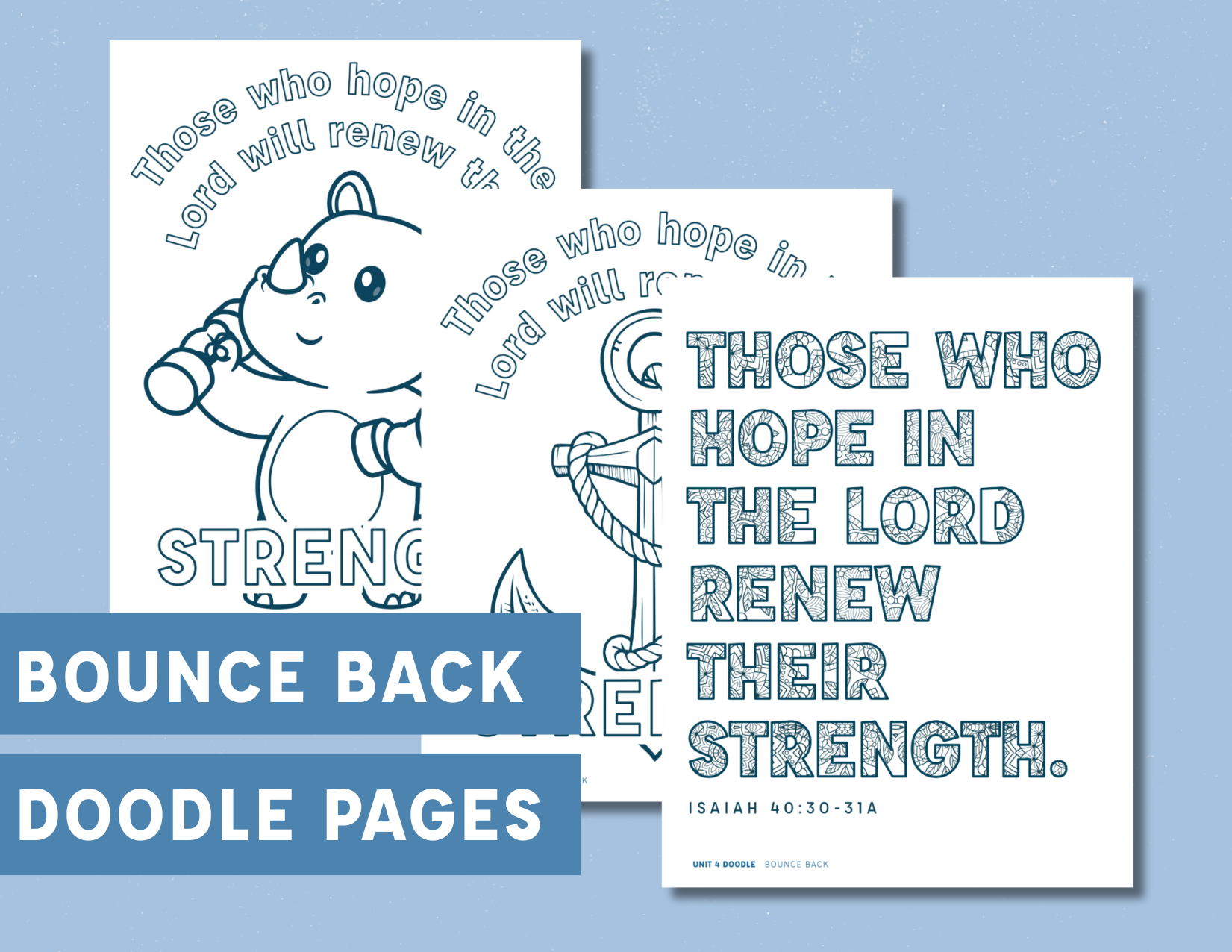
This doodling page invites students to pause and think about what helps them feel supported. As they draw or write encouraging words, trusted people, Bible verses, or calming activities, they’re reminded that hope is something they can return to - even on hard days.
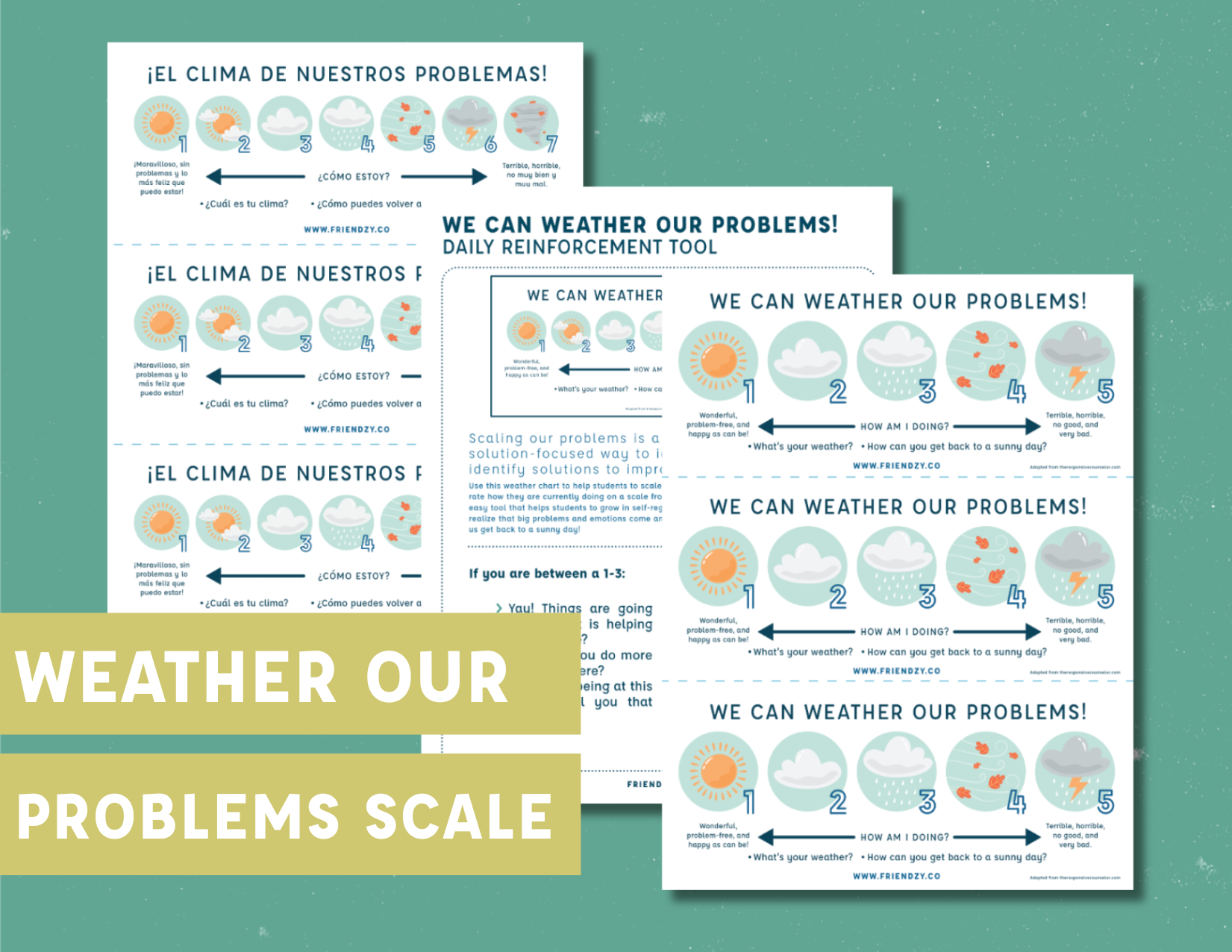
The Weather Our Problems Scale helps students slow down and look at a challenge from a new perspective. It supports them in noticing the size of a problem and thinking through next steps.
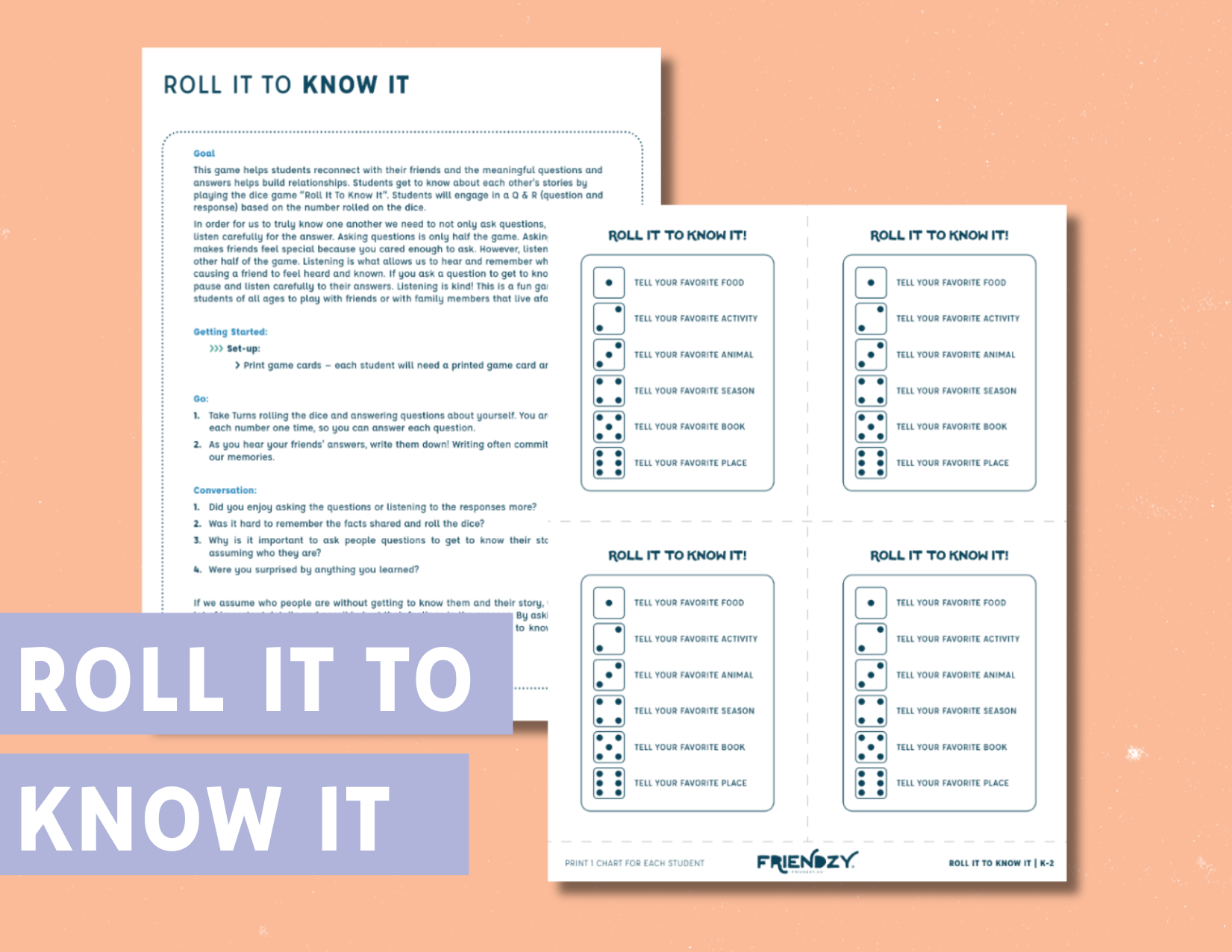
Roll It to Know It gives students a gentle way to connect through conversation and reflection. By sharing and listening to one another, students experience support, understanding, and belonging.